

Table of Contents
- Top Commercial LED Lighting Contractors
- Quick Comparison Table
- What to Look for in a Commercial Lighting Audit
- Understanding Commercial LED Lighting Installation Cost
- Maximizing LED Lighting Rebate Assistance
- Warehouse LED Lighting Retrofit: Key Considerations
- How to Evaluate and Compare Contractor Quotes
- Frequently Asked Questions
Last Updated: October 8, 2026
Top Commercial LED Lighting Contractors
Finding the right commercial LED lighting contractors makes the difference between a smooth upgrade and months of disruption. The contractors listed here bring specialized expertise in warehouse retrofits, rebate coordination, and industrial-scale installations.
We’ve evaluated each based on their ability to handle high-bay fixtures, manage utility incentive programs, and deliver turnkey project management. Here’s what matters most when you’re comparing options: Does the contractor handle rebate paperwork, or do you? Can they work around your operating schedule? Do they have experience with facilities like yours?
NexVolt Energy Group
NexVolt Energy Group stands out for comprehensive project management from assessment through verification. Our approach addresses the biggest frustration facility managers face: navigating utility rebate programs while keeping operations running.
What sets us apart is the turnkey model. We handle the property assessment, identify rebate opportunities specific to your facility type, coordinate with utility companies, and manage installation logistics. For warehouses with high-bay fixtures (30+ feet), occupancy sensors, and smart controls integration, this eliminates the back-and-forth that typically derails projects.
The rebate coordination piece matters most. Many contractors install the fixtures and leave you to handle incentive paperwork. We manage that process, so your team focuses on operations. For a 50,000-square-foot warehouse, this can mean the difference between capturing available rebates or losing them to missed deadlines.
Our installations include LED technology paired with occupancy sensors and smart controls, reducing energy consumption while improving workplace visibility. The fixture lifespan improvement is significant, modern LED systems outlast traditional high-bay fixtures by years, which lowers long-term maintenance costs.
Pros:
- Turnkey project management from assessment to verification
- Utility rebate program assistance and coordination
- Specialized lighting solutions for warehouses and industrial facilities
- Integration of occupancy sensors and smart controls
- Comprehensive property assessments
Cons:
- Pricing varies by facility size and scope (contact for quote)
Warehouse operators and industrial facilities in New Jersey seeking end-to-end project management with rebate coordination included.
A&H Electricians
A&H Electricians offers commercial lighting installation with a focus on local service in Union County.
For straightforward installations without complex rebate requirements, A&H provides reliable local service.
Pros:
- Local presence in Union County
- Commercial lighting design and installation
- Direct contact available for project inquiries
Cons:
- No public information on LED retrofit specialization
- Rebate coordination not explicitly mentioned
- Limited details on high-bay or warehouse experience
Union County businesses needing local electrical contractors for standard lighting installation projects.
All City Electric & Security
All City Electric & Security publishes detailed information about New Jersey utility incentives for commercial LED upgrades, which signals strong familiarity with rebate programs.
Their focus on utility incentives suggests they help clients navigate the rebate landscape. For businesses evaluating LED upgrades specifically to capture available incentives, this expertise is valuable.
Pros:
- Published expertise on New Jersey utility incentive programs
- Focus on reducing energy costs through rebate maximization
- Clear understanding of incentive landscape
Cons:
- Limited public information on installation scope or warehouse specialization
- Pricing and service details require direct contact
Businesses prioritizing utility rebate maximization and seeking guidance on available incentive programs.
Energy Analysis Group
Energy Analysis Group describes its service scope as ranging from sales to installation for commercial LED lighting projects.
For commercial property owners seeking a single vendor to manage both the product side and installation, this integrated approach simplifies coordination.
Pros:
- Full service scope from sales to installation
- Focus on commercial properties
- Project-based engagement model
Cons:
- No confirmation of New Jersey service area
- Limited public information on warehouse or high-bay specialization
- Rebate coordination details not mentioned
Commercial property owners seeking integrated product and installation services from a single vendor.
Bravo AV
Bravo AV offers lighting design services that include LED lighting systems for homes and businesses.
For businesses wanting specialized lighting design that incorporates LED technology, Bravo AV’s design expertise is a differentiator.
Pros:
- Lighting design expertise included in service offering
- LED systems explicitly mentioned
- Tailored solutions approach
Cons:
Get a Free Property Assessment →
- No specific focus on commercial LED retrofits or warehouse applications
- Installation scope not clearly detailed
- No mention of rebate coordination
Businesses wanting professional lighting design that incorporates LED systems for custom solutions.
Quick Comparison Table
| Contractor | Service Focus | Rebate Coordination | Best For | Contact Method |
|---|---|---|---|---|
| NexVolt Energy Group | Turnkey LED upgrades with rebate management | Yes, included | Warehouses and industrial facilities | Free property assessment |
| A&H Electricians | Commercial lighting installation | Not mentioned | Union County local service | Phone and email |
| All City Electric & Security | Utility incentive optimization | Yes, explicit focus | Rebate-focused projects | Direct inquiry |
| Energy Analysis Group | Sales and installation | Not mentioned | Full-service commercial projects | Project-based quote |
| Bravo AV | Lighting design with LED systems | Not mentioned | Custom design solutions | Design consultation |
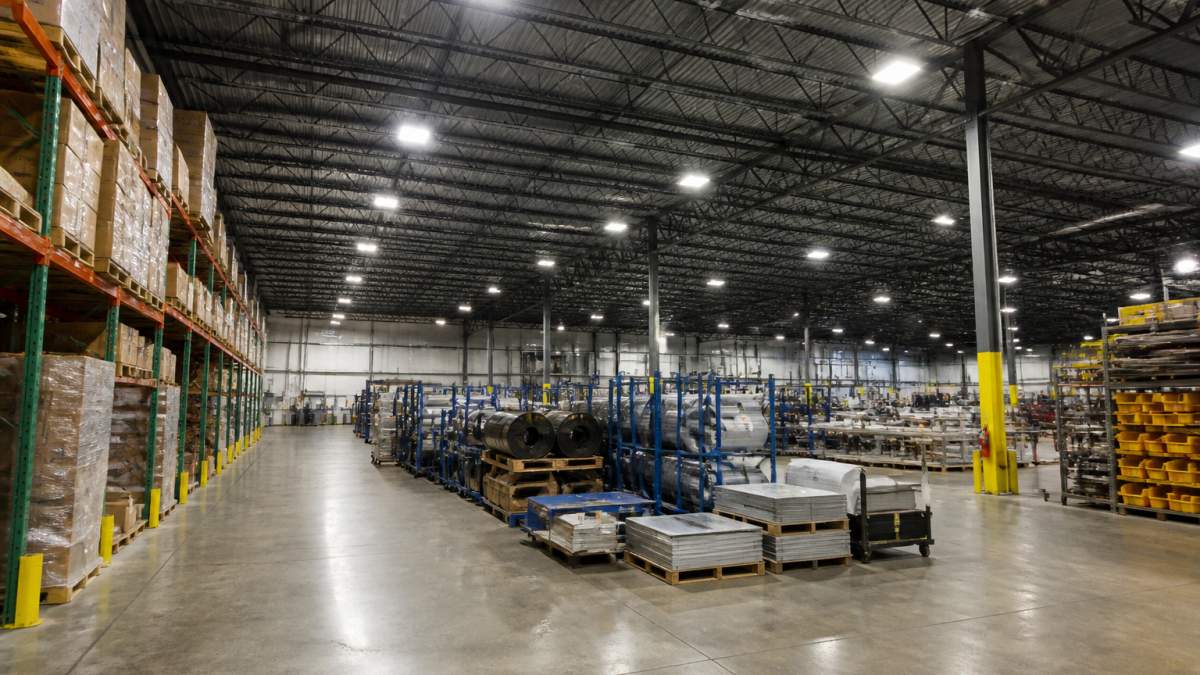
What to Look for in a Commercial Lighting Audit
A proper commercial lighting audit identifies energy waste, determines fixture replacement priorities, and uncovers rebate opportunities. The audit should assess your current system, measure illumination levels, and calculate potential energy savings.
The best audits go beyond visual inspection. They measure light output at working heights, evaluate fixture condition, and identify areas where LED upgrades deliver the biggest impact. For warehouses with high-bay fixtures, this means assessing whether existing mounts can support new LED systems or if structural modifications are needed.
Ask contractors whether the audit includes rebate eligibility assessment. Some audits simply document current conditions. The better ones identify which upgrades qualify for utility incentives in your area, which directly affects project ROI.
Understanding Commercial LED Lighting Installation Cost
Commercial LED lighting installation cost depends on facility size, fixture type, and system complexity. A small retail space costs far less than a 100,000-square-foot warehouse with high-bay fixtures and smart controls.
Key cost drivers include fixture quantity, mounting height, control system integration, and any structural work required. High-bay installations in warehouses typically cost more per fixture than standard ceiling installations because specialized equipment and trained personnel are needed for safe work at height.
The real cost question isn’t the installation price alone, it’s the total project cost after rebates. Many facilities qualify for utility incentives that reduce net cost significantly. This is where contractor expertise matters. Some handle rebate coordination; others leave you to manage it yourself.
Request a detailed cost breakdown that separates fixture costs, labor, controls integration, and any structural modifications. This clarity helps your CFO understand where money is going and what drives the final number.
Maximizing LED Lighting Rebate Assistance
Utility rebate programs exist in most areas, but capturing them requires understanding eligibility and meeting program deadlines. The contractor you choose should handle rebate coordination as part of the service, not as an afterthought.
Strong rebate assistance includes identifying which upgrades qualify, preparing required documentation, submitting applications on your timeline, and following up with utilities to ensure payment. Some contractors specialize in this; others treat it as optional.
For facility managers evaluating LED upgrades, rebate coordination should be a deciding factor. A contractor who manages the entire process, including rebate paperwork, saves your team weeks of administrative work and reduces the risk of missed deadlines that cost you thousands in lost incentives.
If a contractor tells you to “apply for rebates yourself,” ask why. The best contractors own this process because they’ve done it hundreds of times and know which programs accept which documentation formats. Shifting rebate responsibility to you adds project risk.
Warehouse LED Lighting Retrofit: Key Considerations
Warehouse LED retrofits involve different challenges than standard commercial installations. High-bay fixtures mounted 30+ feet overhead require specialized equipment, trained personnel, and careful scheduling to avoid disrupting operations.
The retrofit scope matters. Are you replacing existing fixtures in place, or upgrading mounting systems? Do you need occupancy sensors that detect worker movement and adjust lighting accordingly? Will you integrate smart controls that allow remote dimming or scheduling?
For 24/7 operations, installation timing is critical. The best contractors schedule work during lower-activity periods and complete sections methodically to minimize disruption. This requires advance planning and coordination with your operations team.
The fixture lifespan improvement is substantial. Modern LED systems in warehouse applications outlast traditional high-bay fixtures by 10+ years, which reduces maintenance frequency and costs. For large facilities, this compounds into significant savings over time.
How to Evaluate and Compare Contractor Quotes
When comparing quotes from different contractors, look beyond the line-item price. A low-cost bid that excludes rebate coordination or leaves structural work undefined will cost more in the long run.
Strong quotes include these elements: itemized fixture and labor costs, control system details, installation timeline, rebate program identification, and clear responsibility for rebate paperwork. If a quote is vague on any of these, ask for clarification before deciding.
Ask each contractor about their experience with facilities like yours. A contractor experienced in warehouse retrofits will anticipate challenges a general electrician might miss. Request references from similar-sized facilities or facility types.
Schedule site visits with your top two or three candidates. A proper assessment takes time, and contractors who rush through it may miss important details that affect the final cost or timeline.
Choosing the right commercial LED lighting contractor means finding a partner who handles the complete project, from assessment through rebate verification. NexVolt Energy Group specializes in exactly this approach, managing utility incentive coordination, high-bay installations, and occupancy sensor integration so your team can focus on operations. [EXTERNAL_LINK: Get a free property assessment from NexVolt Energy Group and see how much your facility could save.
Frequently Asked Questions
What should I expect during a commercial lighting audit?
A comprehensive commercial lighting audit examines your current fixtures, energy usage patterns, facility layout, and operational needs. The contractor should assess fixture age and condition, measure light levels across different areas, identify maintenance issues, and calculate potential energy savings. This audit forms the foundation for a retrofit plan and helps contractors identify rebate eligibility. A quality audit takes 2-4 hours depending on facility size and provides a detailed report with recommendations and cost estimates.
How do commercial LED lighting contractors handle rebate assistance?
Top commercial LED lighting contractors manage the entire rebate process: verifying your facility’s eligibility, preparing required documentation, submitting applications to utility programs, and tracking approval status. They coordinate with utility companies so you don’t navigate the paperwork yourself. Some contractors, like NexVolt Energy Group, handle verification and submission as part of their turnkey service. Confirm upfront whether the contractor covers application fees and how they handle cases where rebates are delayed or partially denied.
What factors affect commercial LED lighting installation cost?
Installation cost depends on facility size, ceiling height, existing fixture condition, electrical system upgrades needed, and labor complexity. Warehouses with high bays cost more than single-story retail spaces. Older buildings may require electrical work before LED installation. Smart controls and occupancy sensors add upfront cost but reduce long-term energy expenses. Request detailed quotes that itemize labor, materials, permits, and controls separately so you understand where money goes and can compare contractors fairly.
How long does a warehouse LED lighting retrofit typically take?
Retrofit duration depends on facility size and operational constraints. Small to medium warehouses may take 1-3 weeks; large distribution centers could take 4-8 weeks or longer. If your facility operates 24/7, contractors can schedule work during low-activity windows or in phases to minimize disruption. Discuss scheduling upfront, reputable contractors plan around your operations and provide detailed timelines before work begins. Phased approaches cost slightly more but prevent production losses.
What questions should I ask a commercial LED lighting contractor before hiring?
Ask about their experience with your facility type (warehouse, retail, industrial), whether they handle rebate coordination, how they manage installation scheduling around operations, what warranty they offer on fixtures and labor, and whether they install smart controls or occupancy sensors. Request references from similar facilities and ask about their approach to electrical issues discovered during assessment. Confirm whether they handle all permitting and whether the quoted price is fixed or subject to change if unforeseen work is needed.